In an era where technology and innovation are at the heart of the automotive industry, acquiring a new vehicle is a major investment for many. An essential criterion of this adventure is the warranty offered by the manufacturer. This protective shield, often underestimated, actually serves to cover the owner against potential manufacturing defects or technical problems. Its duration, coverage, exclusions, and transferability are all points to closely examine to avoid unpleasant surprises in the future. Therefore, it is crucial to be well-informed about the automotive manufacturer’s warranty.
The origin of the auto warranty: what manufacturers are hiding
The origin of the automotive manufacturer’s warranty dates back to the early days of the automotive industry. Manufacturers quickly understood that it was essential to reassure buyers by offering protection against any potential defect or technical issue. This is how the automotive manufacturer’s warranty was born.
In particular, the Renault gold warranty coverage deserves to be highlighted. It perfectly illustrates the efforts of manufacturers to provide an optimal level of service to their customers. This high-end warranty covers a wide range of vehicle elements, including essential mechanical and electrical parts.
The duration of this warranty varies by model and can last up to 5 years, providing significant peace of mind for owners. You should note that certain conditions apply to fully benefit from the advantages offered by this warranty.
You need to understand which elements are actually covered by the automotive manufacturer’s warranty. In addition to mechanical and electrical parts, some periodic checks may be included in this coverage, such as engine oil or refrigerant for the air conditioning.
There are also exclusions to consider when contemplating subscribing to such a warranty. For example, normal wear and tear due to daily vehicle use will not be covered by the automotive manufacturer’s warranty.
The terms of use must be respected to fully benefit from the automotive manufacturer’s warranty. This includes regular vehicle maintenance according to the manufacturer’s recommendations, as well as adhering to deadlines for carrying out necessary revisions and checks.
You should note that there are alternatives to the automotive manufacturer’s warranty. Some owners prefer to purchase an extended warranty offered by external providers to extend coverage beyond what is initially offered by the manufacturer.
It is crucial to understand all aspects related to the automotive manufacturer’s warranty to avoid any unpleasant surprises in the future. The Renault gold warranty coverage exemplifies this desire of manufacturers to provide optimal service to their customers while protecting their investment in a new vehicle.

Auto warranty: how long are you covered
The duration of the automotive manufacturer’s warranty is a key point to consider when purchasing a new vehicle. Indeed, this coverage period can vary from one manufacturer to another and even from one model to another.
In most cases, the manufacturer’s warranty lasts from 2 to 5 years. It is important to inquire with the dealer or manufacturer to know the specific conditions and duration of the warranty applicable to the desired vehicle.
It is also crucial to understand that some manufacturers offer optional warranty extensions allowing owners to extend the initial period specified in the contract. These extensions may be offered for an additional cost, but they provide increased peace of mind by extending the level of protection for a specified period.
It should be noted that in certain European countries such as Germany or the Netherlands, automotive manufacturers are also required to offer a mandatory minimum warranty of two years on all their new models sold to consumers.
It is important to understand that the manufacturer’s warranty generally does not cover all types of damage. For example, normal wear and tear due to daily vehicle use or damage caused by an accident or negligence on the part of the driver are excluded from this coverage.
It is crucial for any buyer of a new vehicle to be well-informed about the duration and exact conditions of the manufacturer’s warranty offered by the manufacturer. This will ensure optimal protection of the vehicle for a given period and avoid any unpleasant surprises in case of technical problems.
What elements are included in the auto warranty
The automotive manufacturer’s warranty offers coverage for many essential elements of the vehicle. Among these, you will generally find the engine, transmission, braking and steering systems, as well as electrical and electronic components.
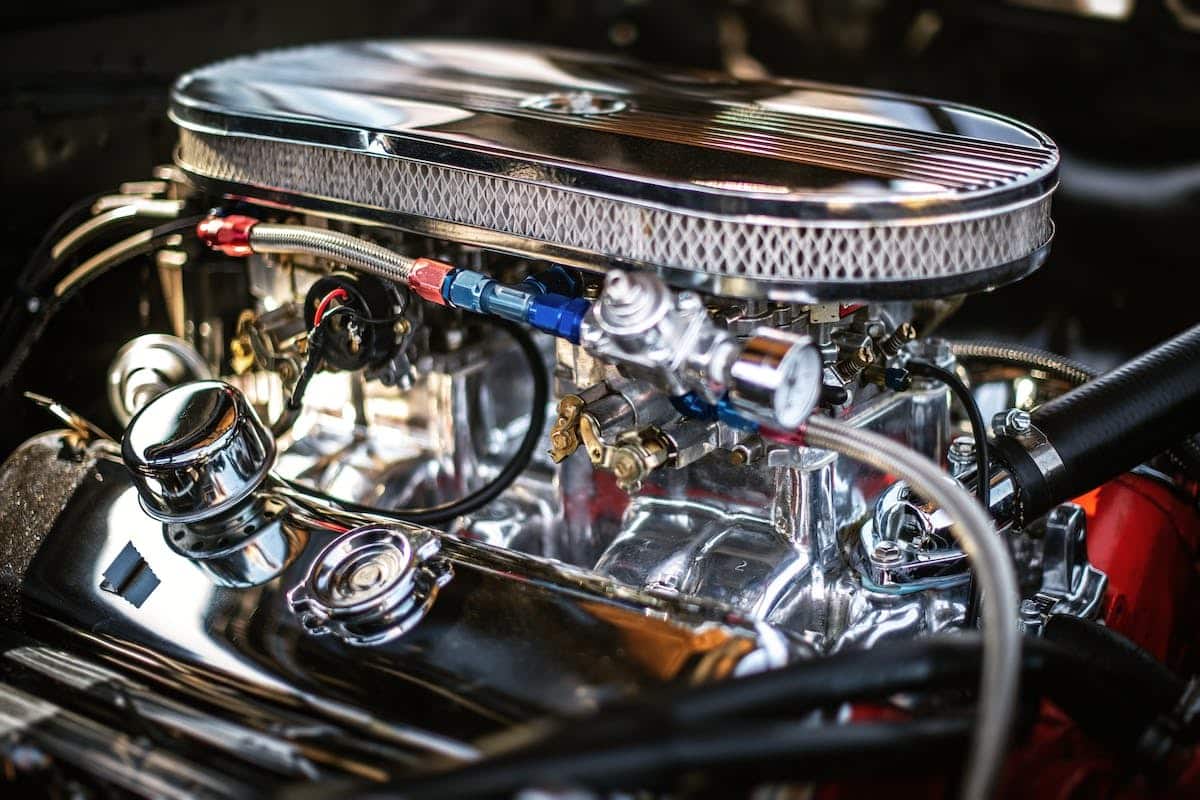
The engine is one of the key elements covered by the manufacturer’s warranty. Any mechanical or electrical failure that occurs during the warranty period will be repaired free of charge by the manufacturer or its authorized network. This includes issues related to the fuel supply system, spark plugs, or water pumps.
The transmission is another crucial component covered by the manufacturer’s warranty. Manual or automatic gearboxes are often included in this coverage, allowing owners to be protected against any malfunction that may occur during the specified period.
The braking and steering systems are also among the elements covered by the automotive manufacturer’s warranty. Discs, pads, and brake drums can be replaced at no additional cost if necessary. The same applies to steering-related parts such as the rack and steering column.
The electrical and electronic components are not left out when it comes to benefiting from protection through this warranty. If you encounter issues with your audio system, electronic sensors, or your anti-theft system during the period specified by the initial contract, you can count on coverage from the manufacturer.
The exclusions of the auto warranty you must know
It is important to note that the automotive manufacturer’s warranty also has certain exclusions. Indeed, there are specific situations and elements that are not covered by this warranty.
Damage caused by improper use of the vehicle will not be covered by the manufacturer’s warranty. This includes cases where the driver has neglected the recommended regular maintenance or has used the vehicle in extreme conditions not foreseen by the manufacturer.
Modification or alteration of the vehicle without written authorization from the manufacturer may result in the exclusion of the warranty. If you have made modifications to your car such as significant mechanical or electronic changes, it is possible that this affects your right to benefit from the coverage offered by the manufacturer’s warranty.
Parts considered ‘normal wear’, such as tires, brake pads, and air filters, are generally not included in the manufacturer’s warranty. These parts are deemed subject to natural wear due to normal vehicle use and must therefore be replaced regularly at the owner’s expense.
Negligence or poor overall maintenance can also lead to the exclusion of certain components initially covered by the automotive manufacturer’s warranty. For example, if you have not adhered to the recommended oil change intervals or have not performed necessary repairs in the case of minor issues, the manufacturer may refuse to cover the costs related to these problems.
It is important to note that the manufacturer’s warranty may be limited in time and/or mileage. Specific conditions may vary from one manufacturer to another, so be sure to read your warranty contract carefully to understand exactly what limitations apply to your vehicle.
Although the automotive manufacturer’s warranty offers extensive coverage for many key elements of the vehicle, there are certain exclusions that must be taken into account. It is crucial to be aware of the restrictions and limitations applicable to avoid any unpleasant surprises and to ensure proper maintenance of the vehicle.
Using your auto warranty: how to proceed
It is important to mention the terms of use of the automotive manufacturer’s warranty. Indeed, to benefit from the advantages offered by this warranty, it is necessary to meet certain conditions.
It is essential to have the vehicle maintained at a dealership authorized by the manufacturer. Most warranty contracts require that repairs and maintenance be performed at an authorized establishment to preserve the validity of the warranty. Therefore, it is recommended that owners of a vehicle under automotive manufacturer’s warranty inquire about accredited dealerships near them.
Also, consider your needs carefully. This also facilitates the management of after-sales service requests related to the warranty.
When a breakdown or malfunction occurs, it is important to promptly report the issue to the manufacturer’s customer service or an authorized representative. It will then be possible to obtain adequate and professional assistance to resolve the encountered issue.
Throughout the period covered by the automotive manufacturer’s warranty, it may be mandatory (or strongly recommended) to have the required regular inspections performed according to the intervals specified by the manufacturer. This measure helps to detect any potential problems before they worsen and to take necessary steps to resolve them.
Be sure to keep all documents related to the maintenance of the vehicle as well as all repairs performed. This includes invoices for work carried out by an authorized dealership. These supporting documents will be useful if needed when making a claim under the automotive manufacturer’s warranty.
To fully enjoy the benefits offered by the automotive manufacturer’s warranty, be sure to meet certain conditions. By carefully following these terms of use, owners can benefit from solid and effective coverage throughout the period specified in the contract.
What alternatives to the auto manufacturer’s warranty to choose
Alternatives to the automotive manufacturer’s warranty can be interesting for vehicle owners concerned about their budget or seeking coverage that is more extensive than that offered by the manufacturer.
The first option is to purchase an extended warranty from a third-party provider. These contracts, also known as extended warranties, allow drivers to benefit from additional protection after the manufacturer’s warranty expires. They generally cover the same types of repairs and offer similar conditions to those of the initial contract.
The main advantage of this alternative is the possibility of extending the period covered by the warranty, which can be particularly beneficial for high-end vehicles or those at high risk of mechanical failures. Be sure to read the terms of the contract offered by the third-party provider carefully to avoid any unpleasant surprises.
Another alternative to consider is joining an automobile club or association that offers services similar to those provided by a manufacturer’s warranty. These organizations often offer different levels of roadside assistance, including free towing in the event of an accident or breakdown, as well as access to a national or international network for quick and reliable repairs.
It should be noted that these services generally do not cover all mechanical problems and may have certain restrictions related to the type and age of the vehicle concerned. Be sure to inquire before subscribing to such an offer.
It is also possible to consider taking out a mechanical insurance. Unlike manufacturer warranties and extended warranties, mechanical insurances work more like traditional insurance contracts where a monthly or annual amount is paid in exchange for coverage against costly repairs.
Be sure to note that these insurances may have certain exclusions and strict requirements regarding vehicle maintenance to maintain the validity of the contract. They may not cover certain types of failures or only provide partial reimbursement of incurred costs.
While the automotive manufacturer’s warranty offers standard protection for your vehicle for a specified period, there are various alternatives that allow owners to extend this coverage or opt for similar services offered by third-party providers or automotive associations. Be sure to choose the one that best meets your needs and expectations while considering your available budget.