
The automotive market is undergoing a period of simultaneous transformations. European regulations on batteries, uncertainties around low-emission zones, the arrival of new players at trade shows: the topics shaping the automotive news in 2026 go far beyond mere announcements of new models. Keeping up with these developments allows for more informed purchasing and usage choices, whether driving a combustion engine, hybrid, or electric vehicle.
European Battery Passport: What Changes for Buying an Electric Vehicle
On September 16, 2026, the European Commission published an implementing decision (2026/2048) that shifts battery regulation from a safety logic to a logic of traceability and lifespan measurement. The regulation provides for a digital passport for each battery, accompanied by marking obligations and a QR code.
This passport will allow access to data on the battery’s origin, its measured performance, and its lifecycle. For a buyer of an electric SUV or a compact electric car, this means it will be possible to compare vehicles not just on the claimed range, but on verifiable indicators of aging and residual capacity.
In the used car market, the impact could be significant. An electric vehicle with a documented battery passport will reassure buyers more than a model without traceable history. Field feedback still varies on how manufacturers will implement this system within their networks, but the regulatory framework is established. For those who regularly follow Mon Guide Auto’s automotive news, these regulatory changes are as important as the technical specifications of new models.
The end-of-life management of batteries becomes a direct responsibility of manufacturers, importers, and distributors. This obligation for take-back and recycling, documented by Flotauto in September 2026, reshapes the value chain of electric vehicles well beyond just the purchase price.

Low-Emission Zones in 2026: A National Framework, Diverging Local Realities
Low-emission zones remain a contentious issue for French motorists. The Constitutional Council censured the removal of low-emission zones voted in the economic life simplification law, but for procedural reasons, not on the merits. The low-emission zone system is maintained, but its timeline depends on local decisions.
The differences between metropolitan areas are striking. In Strasbourg, the educational phase concerning Crit’Air 3 vehicles has been extended until 2027: these vehicles will neither be banned nor fined immediately. Crit’Air 4, 5, and unclassified vehicles remain subject to restrictions.
This heterogeneity poses a concrete problem for motorists traveling between multiple urban areas. A vehicle allowed in Strasbourg may find itself banned in another metropolis applying a stricter timeline. The available data does not allow for a unified picture of restrictions for each major city, as decisions evolve rapidly.
Criteria to Check Before Buying a Used Vehicle in a Low-Emission Zone
- The Crit’Air sticker of the vehicle and the restriction timeline of the metropolitan area where it will primarily operate, as the prohibition dates vary from city to city.
- The possibility of obtaining a temporary exemption depending on the owner’s situation (income, lack of alternative transport), a measure offered by certain local authorities.
- The actual cost of an early replacement of the vehicle compared to keeping an old combustion model, taking into account any local subsidies.
Paris Motor Show 2026: Absences and Surprises Redefining the Landscape
The Paris Motor Show in October 2026 illustrates the current power dynamics among manufacturers. BMW canceled its attendance despite eight new models planned, including the highly anticipated Series 3, i3, and X5 from the Neue Klasse range. The stated reason: a downward revision of financial targets, linked to declining sales in China, which prompts the Bavarian firm to cut its exhibition budgets.
This absence leaves the field open for Audi and Mercedes-Benz, who are present in Paris. Volkswagen chose this context for the world premiere of the ID. Tiguan.
The show remains a moment for direct comparison between brands, but the repeated absences of certain manufacturers raise questions about the relevance of these events in light of online launches. However, for buyers, a physical show allows for comparing dimensions, finishes, and ergonomics in a way that no technical sheet can replace.
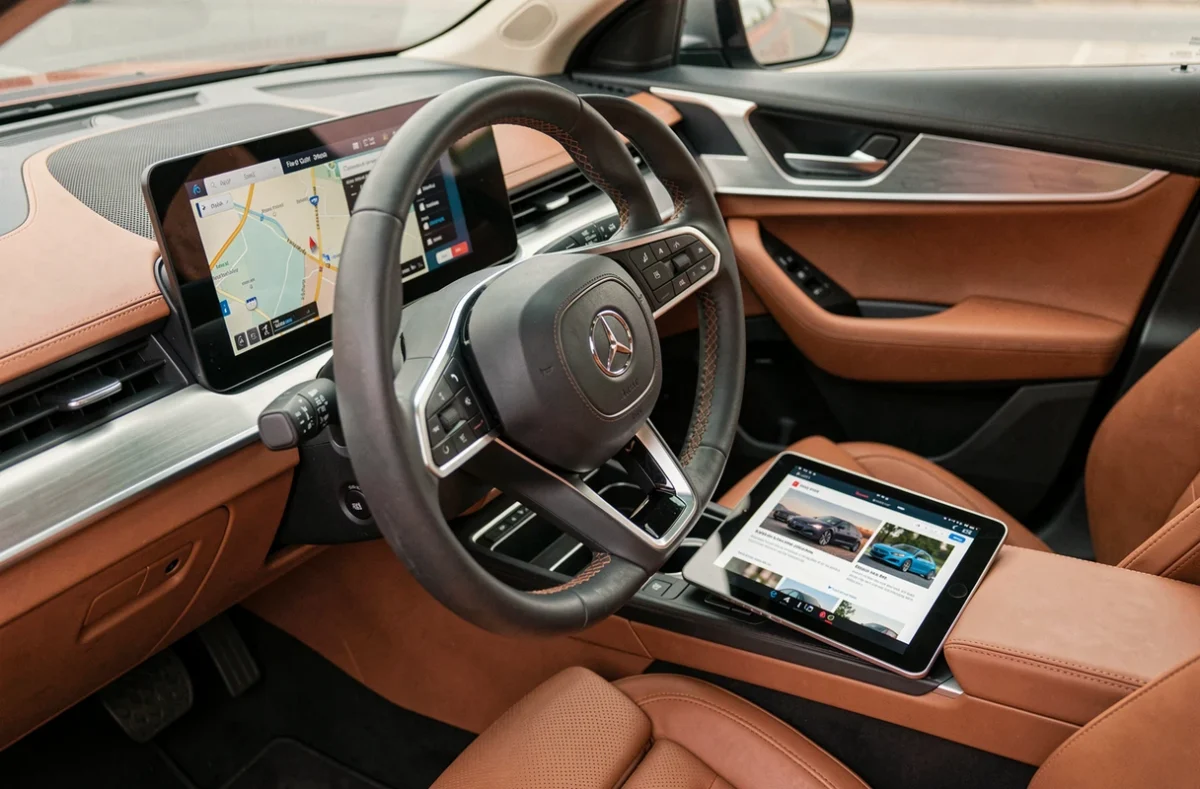
Car Buying Guides: The Criteria That Really Matter in 2026
Car buying guides are multiplying online, but many remain superficial. Three parameters deserve particular attention this year, beyond the catalog price and engine type.
Real Range vs. Claimed Range
The gap between WLTP range and real range remains a point of friction for electric vehicle buyers. The European battery passport should, in the long term, provide more reliable data. In the meantime, independent tests published by specialized media remain the most useful source for evaluating what Peugeot, Volkswagen, or Tesla actually offer.
Total Cost of Ownership
The purchase price of a vehicle represents only a fraction of the actual budget. Insurance, maintenance, consumption, depreciation, and regulatory constraints (low-emission zones, ecological penalties) make up a set that too many car buying guides overlook. The total cost of ownership over five years can reverse the ranking between two models that appear close in catalog price.
Availability of Parts and Maintenance Network
The arrival of new brands in the European market reminds us of a reality often forgotten: buying a vehicle from a manufacturer without a dense local maintenance network can complicate daily life. This criterion weighs heavily for an SUV or a sedan intended to be driven for several years.
The automotive news of 2026 is read through regulatory, industrial, and practical grids that overlap. The battery passport, variable low-emission zones, and visible reshaping in international shows change the parameters of a car purchase far more than a mere body restyling. Crossing these dimensions before signing remains the best reflex.