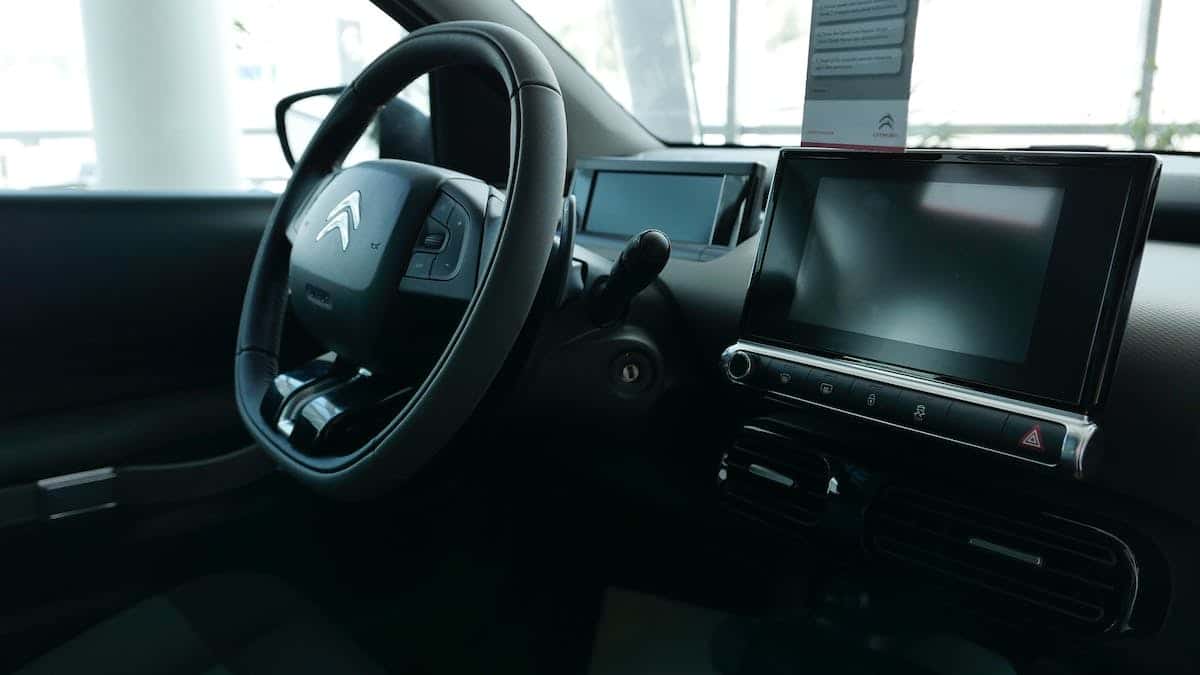
The Citroën C4 Picasso, an iconic French car, is known for its driving comfort and modern technology. A recurring issue that owners may face is the clogging of the particulate filter (DPF), an essential device for reducing harmful emissions. This problem can lead to a loss of vehicle power, increased fuel consumption, and, in the most severe cases, engine damage. Therefore, it is crucial to understand how to prevent this issue. Here are some tips and tricks to keep the DPF of your Citroën C4 Picasso in good condition.
DPF Clogging Issues: Understanding Its Functioning on the Citroën C4 Picasso
In the section ‘Signals Indicating a Risk of Diesel Particulate Filter (DPF) Clogging on Your Citroën C4 Picasso’, it is essential to discuss the different symptoms that may signal this potential problem.
To begin with, the dashboard of your vehicle can provide the first clues of a DPF clogging risk C4 Picasso. Warning lights such as the check engine light or the one specifically dedicated to the pollution control system may illuminate continuously, indicating a possible anomaly with the DPF.
Additionally, if you notice a significant decrease in the overall performance of your car, this is another strong sign that could highlight a DPF clogging risk C4 Picasso. A significant loss of power during acceleration or excessive fuel consumption is often related to a clogged particulate filter.
You should also be attentive to unusual noises coming from the exhaust system. Abnormally loud sounds could indicate that something is wrong with the DPF. If these strange sounds are accompanied by an unpleasant and persistent odor similar to that of rotten eggs, there is no doubt that you are facing a serious DPF-related issue.
Finally, if the automatic regeneration of the filter seems less frequent than usual or if you notice that the additives necessary for the proper functioning of the DPF are depleting quickly, this unequivocally confirms the DPF clogging risk C4 Picasso.
Keeping all these signals in mind could not only help extend the useful and efficient life of your Citroën C4 Picasso but also prevent more significant and costly problems related to the pollution control system, which is particularly sensitive on this model.

Signs of DPF Clogging on the Citroën C4 Picasso
In this section, we will present some essential tips to prevent DPF clogging issues on your Citroën C4 Picasso. Follow these simple yet effective tips that can greatly contribute to maintaining the proper functioning of your pollution control system.
It is crucial to ensure regular and appropriate use of your vehicle. Short and repeated trips are one of the main factors leading to DPF clogging. Indeed, during these trips, the temperature necessary for a complete regeneration of the filter is not reached, leading to the gradual accumulation of particles in the DPF. It is therefore recommended to periodically take longer trips on highways or fast roads to raise the exhaust temperature sufficiently to allow for optimal regeneration.
A rigorous and thorough maintenance is another essential preventive measure. Ensure that the scheduled maintenance and checks prescribed by the manufacturer are carried out at the recommended intervals.
Tips to Avoid DPF Clogging Issues on the Citroën C4 Picasso
In this section, we will emphasize the crucial importance of regular maintenance to avoid DPF clogging issues on your Citroën C4 Picasso. Rigorous and meticulous maintenance is essential to ensure the proper functioning of your pollution control system.
It is vital to adhere to the intervals recommended by the manufacturer for performing the necessary maintenance and checks. These operations allow for checking the condition of the particulate filter and intervening quickly if needed. By neglecting these maintenance appointments, you risk not only potential problems with your DPF but also a general degradation of performance and an increase in fuel consumption.
During regular maintenance, a thorough diagnostic of the pollution control system should be performed. This includes checking the Lambda sensor that measures the oxygen content in the exhaust gases, as well as the upstream and downstream probes located before and after the DPF to assess its effectiveness. Any detected malfunction must be resolved immediately to prevent further damage to the particulate filter.
Do not hesitate to consult the professional about specific additives that can be used to periodically clean your DPF. These products can help gradually eliminate excessive particle accumulation and maintain the filter’s efficiency. It should be noted that these additives should only be used after consultation with the manufacturer or a specialist to avoid any risk of damaging the system.
Adopt suitable driving habits to prevent DPF clogging. Avoid sudden and excessive accelerations as well as low engine speeds that can harm the proper functioning of the filter. Regular driving at appropriate speeds will also help maintain the necessary temperature for optimal DPF regeneration.
Regular maintenance plays a key role in preventing DPF clogging issues on your Citroën C4 Picasso. By adhering to the recommended intervals set by the manufacturer, conducting thorough diagnostics, and adopting suitable driving habits, you will effectively protect your pollution control system and extend the lifespan of your vehicle while contributing to environmental preservation.
The Importance of Regular Maintenance to Prevent DPF Clogging Issues
When you notice a DPF clogging on your Citroën C4 Picasso, it is essential to act quickly. Here are some solutions to remedy this problem:
The first step is to check if the DPF clogging warning light has illuminated on the dashboard. If so, it is advisable not to ignore this signal and to take immediate action.
You can attempt a forced regeneration of the particulate filter using the specific function provided in the vehicle’s settings or by following the instructions provided by the manufacturer in the user manual. This operation will burn the accumulated residues in the DPF and thus restore its efficiency.
If the forced regeneration does not resolve the issue, you should consult a qualified professional such as a Citroën dealer or a specialized automotive maintenance center to conduct a more in-depth analysis. They have the necessary tools to accurately diagnose the cause of the clogging and carry out the appropriate repairs.
In some extreme cases, when the situation cannot be resolved by conventional methods, it may be necessary to completely replace the clogged particulate filter with a new model that complies with current environmental standards.
To avoid any future risk of DPF clogging, prioritize longer trips on highways or fast roads.
Do not forget to strictly adhere to the maintenance recommendations provided by the manufacturer in your car’s user manual. Regular maintenance will help prevent DPF clogging issues and maintain the optimal performance of your Citroën C4 Picasso.
By following these few tips and acting quickly when you notice a problem, you can effectively prevent issues related to the clogging of the particulate filter on your Citroën C4 Picasso. Always make sure to consult a qualified professional for personalized advice tailored to your specific vehicle.
Solutions in Case of DPF Clogging on the Citroën C4 Picasso
It is essential to take care of your Citroën C4 Picasso to avoid DPF clogging issues. By following a few simple measures, you can effectively prevent these problems and maintain the optimal performance of your vehicle.
Make sure to carry out regular maintenance by strictly adhering to the manufacturer’s recommendations. Perform engine oil changes within the recommended timeframes and replace the fuel filter according to the manufacturer’s guidelines. These preventive actions will ensure clean combustion and limit the accumulation of residues in the DPF.
Consider wisely choosing the fuel you use. Always opt for high-quality fuels that contain fewer impurities that could clog the exhaust system. Also, avoid excessive use of additives or other products intended to clean the DPF, as they can damage certain sensitive components.
Adopt a proper driving style to preserve the health of the DPF. Try to cover longer distances on highways or fast roads so that the heat generated by a constant speed can facilitate this crucial operation.
Do not hesitate to consult a qualified professional as soon as you notice signals indicating possible DPF clogging. They have the knowledge and equipment necessary to accurately diagnose the cause of the problem and carry out the appropriate repairs.
By taking care of your Citroën C4 Picasso with these simple yet essential tips, you will avoid the inconveniences related to DPF clogging. A well-maintained car ensures a safe, economical, and environmentally friendly drive. Remember that prevention is always better than solving an existing problem, so do not neglect any aspect of your vehicle’s regular maintenance.
By putting these tips into practice, you will not only extend the lifespan of your Citroën C4 Picasso but also that of the particulate filter, which plays a crucial role in the proper functioning of your engine.
Taking Care of Your Citroën C4 Picasso to Avoid DPF Clogging Issues
The maintenance of your Citroën C4 Picasso vehicle is not limited to just the engine and exhaust system. You should pay attention to other elements that can influence the proper functioning of the DPF.
Ensure to maintain an adequate oil level in the engine reservoir. High-quality oil will ensure optimal lubrication of internal components and reduce the risk of excessive deposits on the DPF.
Regularly check the condition of the fuel injectors. Clogged or defective injectors can cause incomplete combustion of the fuel, leading to excessive particle accumulation in the particulate filter. Professional cleaning of the injectors may be necessary to prevent these issues.
Speaking of combustion, you should monitor the quality of the fuel you use. Opt for fuels from reputable gas stations to avoid any excessive presence of impurities that could clog the exhaust system.
Another important tip is to avoid frequent starts and short trips whenever possible. Short trips do not allow hot systems like the DPF to reach their ideal temperature for proper functioning.