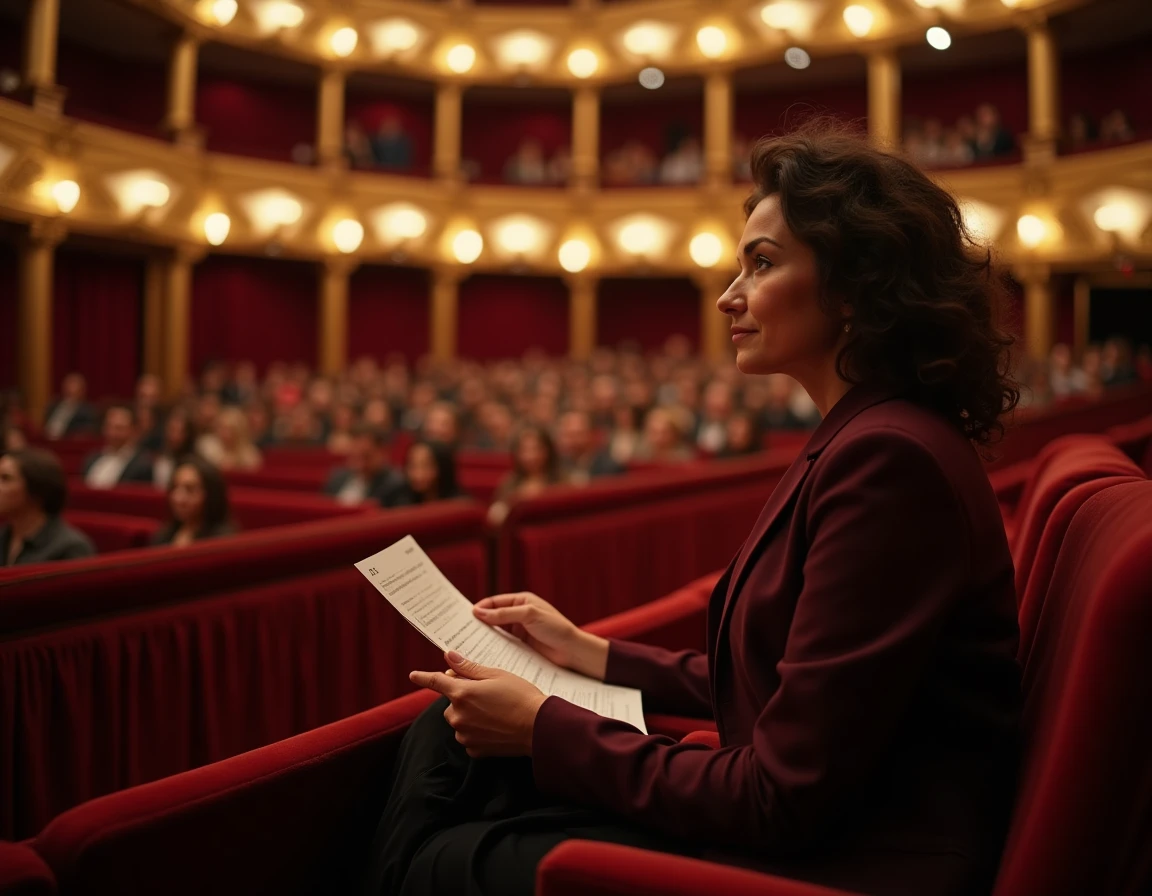
We book a show, click on the seating plan, and choose the cheapest or most central category. When the evening arrives, a pillar blocks half of the stage, the sound is distorted, or the person in front is a head taller. Choosing the best seats for a show is not just about aiming for the center of the orchestra: the layout of the venue, the type of show, and even the seating standards can radically change the experience.
3D Visualization and Real View from the Seat: the Reflex Before Buying
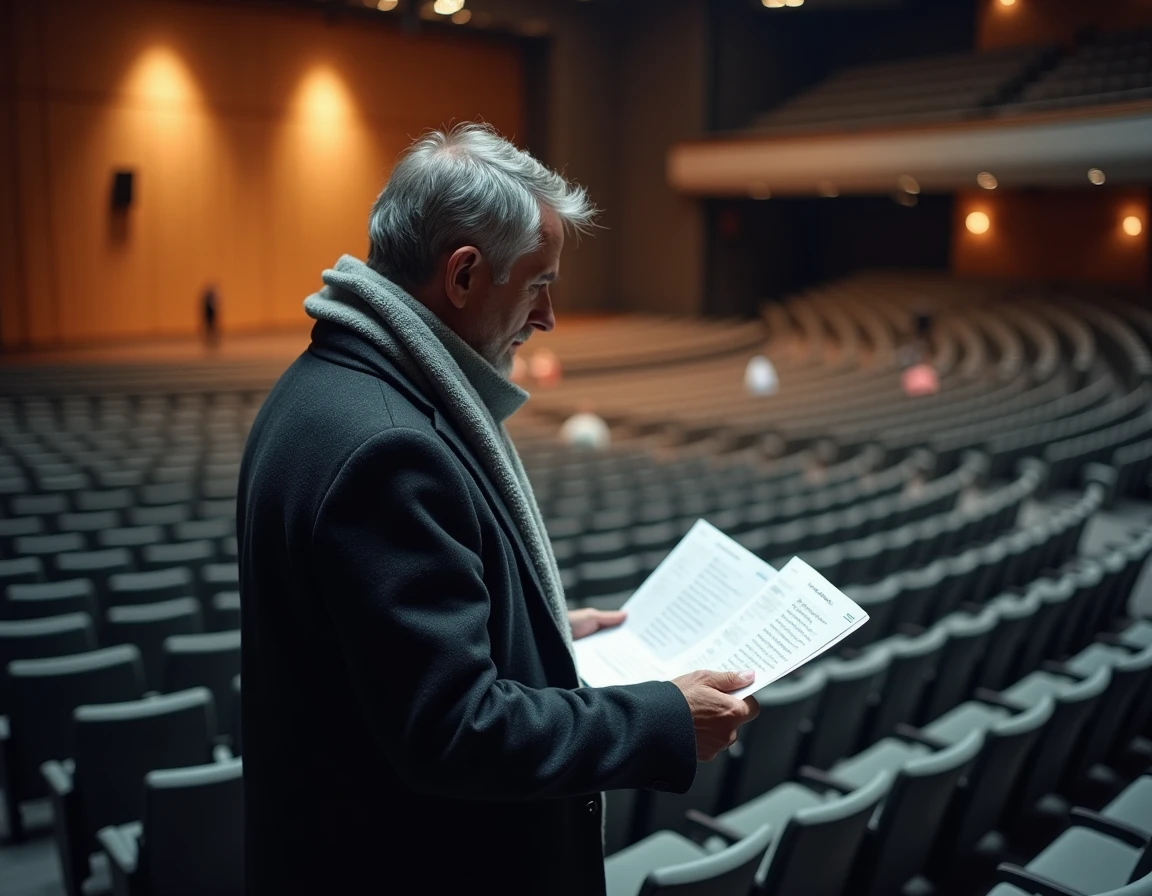
Before comparing ticket categories, we save time by checking if the venue offers a preview tool. More and more large venues provide a real view from the chosen seat, in the form of a photo or 3D modeling, directly at the time of booking. The Opéra-Comique, for example, allows you to visualize the stage from each selected seat.
This reflex avoids two classic pitfalls: side seats in the balcony that cut off one side of the stage, and central rows too close to the stage that flatten the perspective in a steeply sloped venue. We have selected the best seats for a show according to Mamzelle Voyage based on this type of concrete criteria, and the comfort gain is clear.
If the venue does not offer a 360° view, looking for photos taken by spectators on social media remains the best plan B. You can quickly spot seats obstructed by a column or by the sound booth.
Ticket Categories and Seating: What the Plans Don’t Say

The seating plans display color-coded zones by price category, but the price does not always reflect the quality of the experience. A first-category seat in the front row of the orchestra offers proximity to the artists, but in an Italian-style theater, the overhead view of the orchestra pit can obscure the entire lower part of the set.
Orchestra, Balcony, Box: Each Location Has Its Compromise
In the orchestra, rows located between the fifth and tenth row often offer the best balance between proximity and viewing angle. Beyond that, the distance starts to blur the expressions of the artists, which is especially important for theater and musicals.
In the balcony or box, the first central rows combine an overhead view and a pleasant sound distance for amplified concerts. Feedback varies on this point, as acoustics depend heavily on ceiling height and wall treatment.
- Center orchestra (rows 5 to 10): frontal view, direct sound, ideal for theater and acoustic music.
- First row balcony: comfortable distance, overall view of the stage, good choice for shows with vertical staging or pyrotechnic effects.
- Side orchestra or side boxes: reduced price, but loss of part of the visual field, acceptable for a music concert where sound takes precedence over image.
Choosing Your Seat According to the Type of Show: Concert, Theater, or Dance
You don’t choose the same area depending on whether you’re attending an amplified concert, a play, or a ballet. The nature of the show dictates the priority between visibility, acoustics, and immersion.
Seated Concert
For an amplified concert, the center of the venue prevails over proximity. The main speakers are directed towards the middle of the floor. Too close, the volume becomes uncomfortable and the mixing loses clarity. Too far to the sides, you mainly pick up the nearest speaker, which unbalances the sound.
In a standing pit, the density of the audience and the heat rise quickly. If the goal is to enjoy the music rather than the physical ambiance, seated places in the back rows offer superior comfort and a sound experience that is often more homogeneous.
Theater and Musical
The priority shifts to visibility of faces and gestures. Central seats at stage height are the most sought after because they replicate the viewing angle for which the staging is designed. For a musical with large sets, a slight distance allows you to see the elements at height without tilting your head.
Dance and Circus
These shows utilize the entire volume of the stage. Being too close flattens aerial figures. The middle rows of the orchestra or the front row of the balcony provide the best view of floor formations and lifts in height.
Seat Comfort and ERP Regulations: An Underestimated Criterion
Placement is not just about the viewing angle. The quality of the seat changes a two-hour evening. In France, the upholstered seats in performance venues must comply with the NF D60-013 standard and fire reaction requirements. Recent venues use compliant materials that offer denser padding and better lumbar support than seats in older venues.
The ERP safety regulations also impose a maximum of 16 seats between two aisles and 8 against a wall. This technical detail has a direct effect on comfort: wide central blocks require stepping over several spectators to reach your seat, while narrower blocks facilitate access and reduce disruption during the performance.
- Check if the venue has been recently renovated: the comfort of the seating varies greatly between a venue from the 1970s and a recent rehabilitation.
- For people with reduced mobility, many venues offer reserved seats at the front with easy access and reduced rates, as is the case at the Opéra-Comique.
- Prefer aisle seats if you need to exit easily during intermission or in case of emergency.
The choice of a performance seat is made before ticketing, at the moment when one identifies the type of venue, the genre of the show, and one’s own priorities. A quarter of an hour of research on the seating plan and feedback from spectators is usually enough to avoid unpleasant surprises and turn an ordinary outing into a memorable evening.