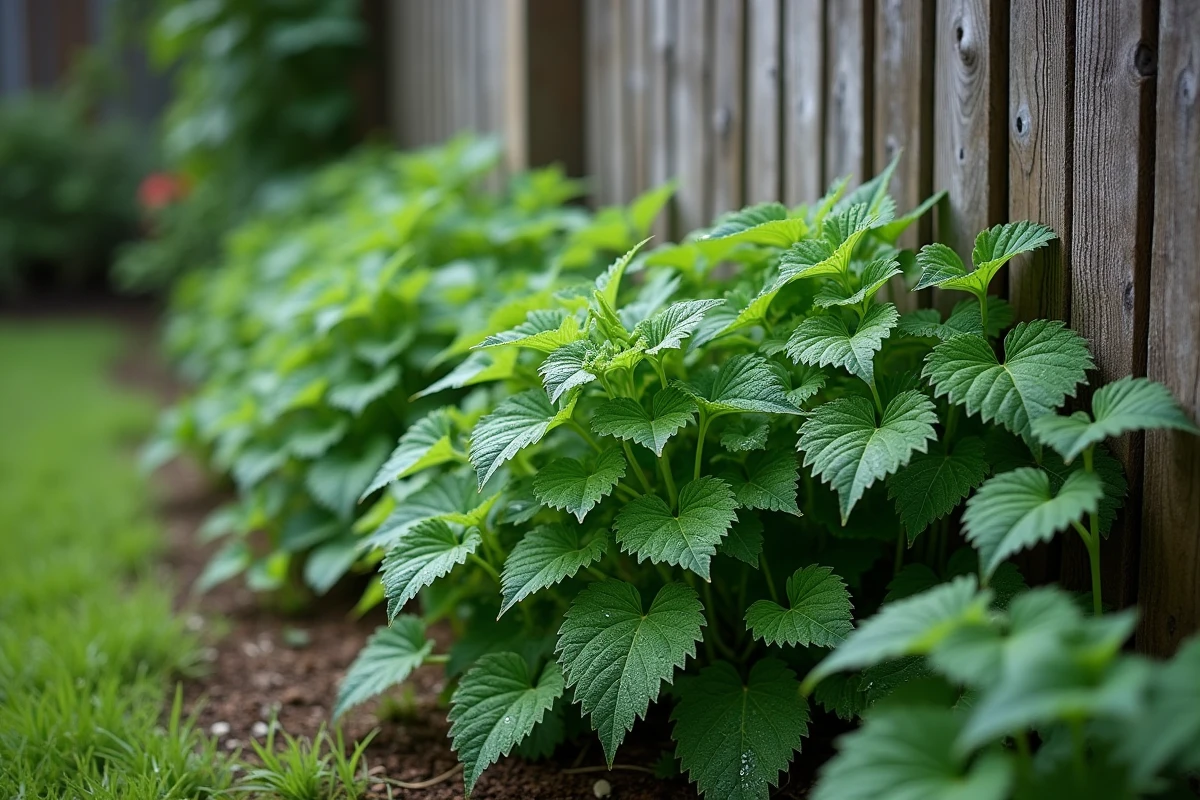
Bleach is a sodium hypochlorite solution. When applied to plants, it destroys tissues through oxidation, causing visible drying within a few hours. This apparent effectiveness against nettles masks a larger problem: bleach does not limit itself to targeted plants and permanently alters the environment in which it is poured.
Sodium hypochlorite in the soil: a chemical reaction that goes beyond nettles
Sodium hypochlorite is a non-selective biocide. When poured on a clump of nettles, it does not distinguish the targeted plant from microorganisms, neighboring roots, or soil fauna. The product oxidizes the organic matter it encounters, including the humus that structures the soil.
The chlorine released during the decomposition of bleach combines with organic compounds in the soil to form residual organochlorines. These by-products persist longer than the bleach itself and continue to affect soil biology after application.
As explained in an article about killing nettles with bleach according to Le Jardineur, this combination is toxic to the garden well beyond the treated area. Runoff water carries chlorinated residues to flower beds, vegetable gardens, or surface water tables.
Bleach also alters the soil pH, making it more alkaline. This imbalance directly affects the ability of surrounding plants to absorb iron, manganese, and other trace elements. In already calcareous soil, the effect is even more pronounced.
Microbial life and soil biodiversity after a bleach treatment
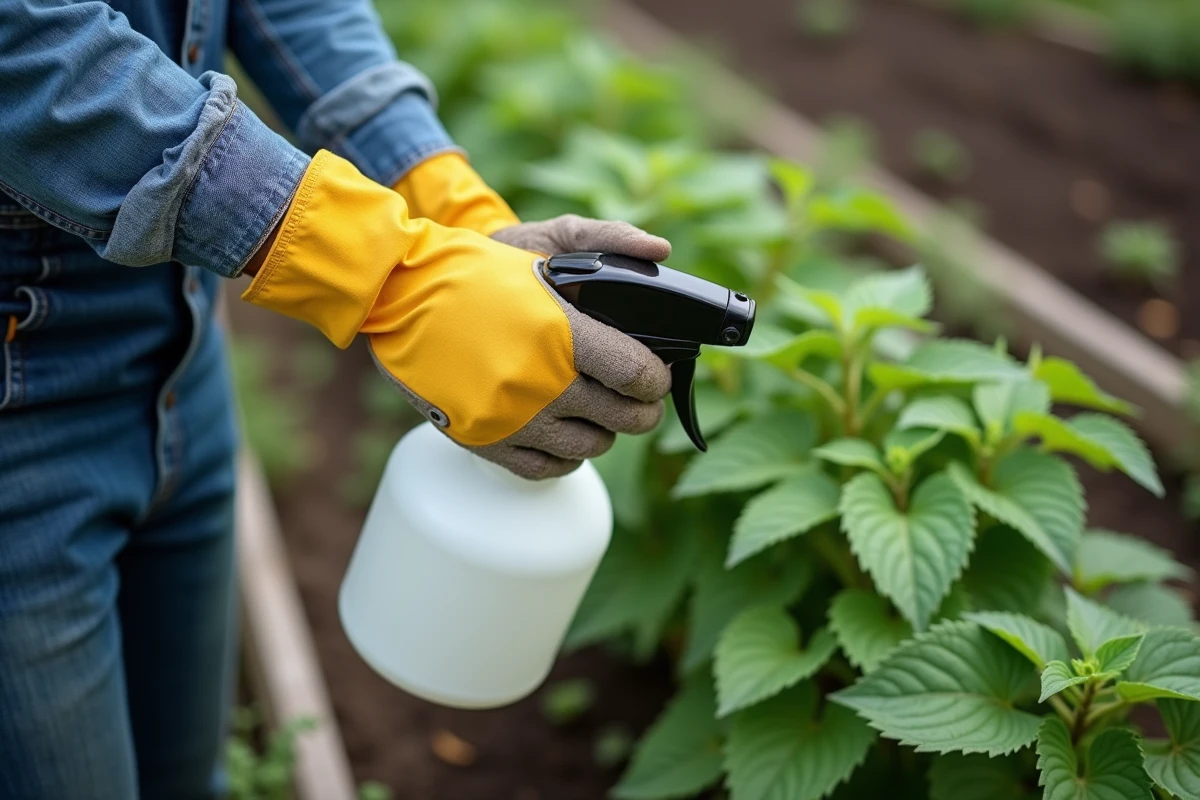
A fertile soil hosts bacteria, mycorrhizal fungi, earthworms, and microarthropods that decompose organic matter and make nutrients accessible to plants. Bleach destroys this fauna indiscriminately.
Mycorrhizal fungi form symbiotic networks with the roots of most cultivated plants. These networks enhance water and phosphorus absorption. An application of bleach breaks these connections, and the recolonization of the soil by mycorrhizae takes several seasons.
Earthworms, which aerate the soil and accelerate nutrient recycling, are particularly sensitive to chlorinated products. Their local disappearance compacts the soil and reduces its ability to infiltrate rainwater.
A vicious cycle for the gardener
Without active microbial life, the soil becomes compacted and poor. Cultivated plants struggle to establish themselves, while certain pioneering weeds (including nettles, in fact) recolonize degraded soils faster than cultivated species. Treating nettles with bleach promotes their return in the medium term.
Nettles are a nitrogen-loving plant that thrives in nitrogen-rich and disturbed soils. Destroying soil life without addressing the cause of proliferation (excess nitrogen, bare soil) guarantees a new cycle of invasion.
Risks for water and the environment beyond the garden
Bleach poured outdoors does not stay in place. It migrates through runoff to ditches, storm drains, and waterways. Even diluted, it remains harmful to aquatic organisms, particularly invertebrates and amphibians.
In a garden with a well or spring, there is a risk of contaminating drinking water. Municipalities managing water catchments recommend not using biocidal products near catchment areas, and bleach falls into this category.
Bleach is not approved as a plant protection product. Its use as a herbicide is not included in any marketing authorization. In France, the Labbé law has restricted the use of plant protection products for individuals since 2019, and using a biocide diverted from its original function poses both a regulatory and environmental problem.
Weeding nettles without chemicals
Nettles establish themselves where the soil is rich in nitrogen and organic matter. Before choosing a method of removal, it is essential to understand why they proliferate in that location.
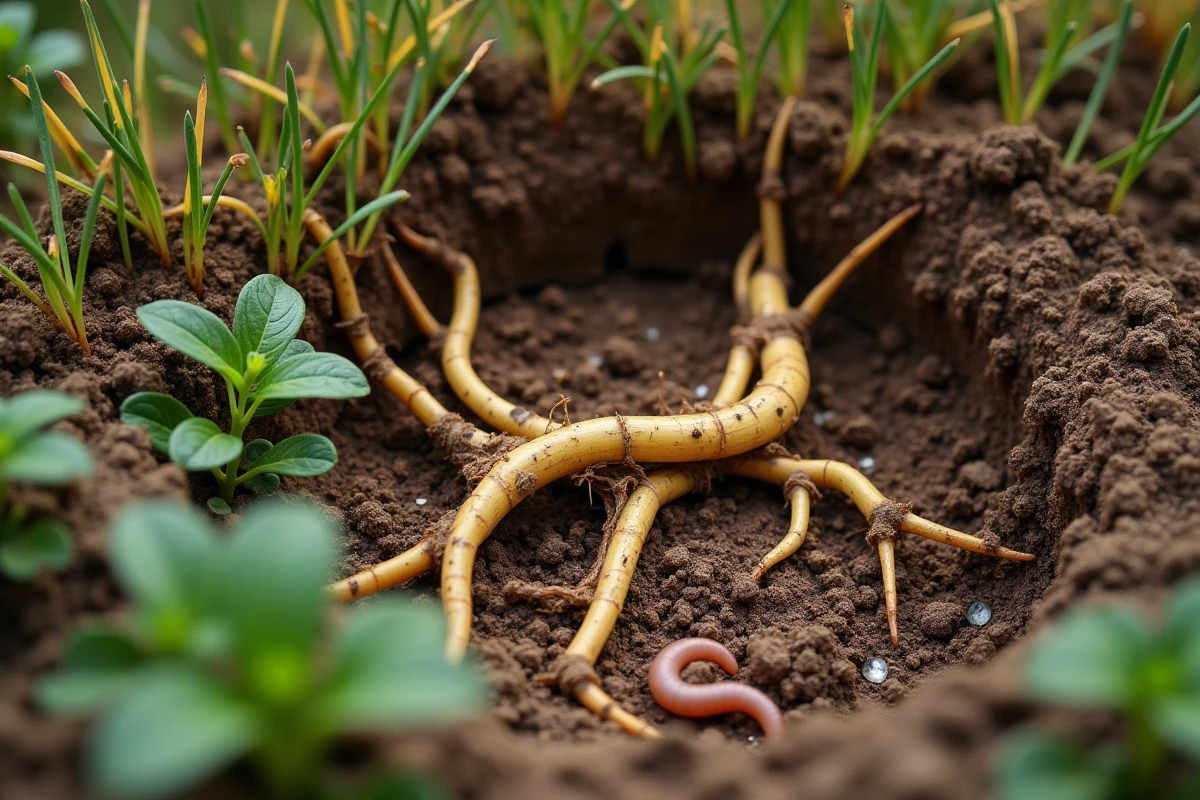
- Manual pulling, with thick gloves, remains the most direct method. Nettles have a network of creeping rhizomes that must be extracted as completely as possible to limit regrowth.
- Thick mulching (fragmented branch wood, straw, cardboard) deprives young shoots of light and slows germination. A sufficiently dense layer maintained for several months significantly weakens the colony.
- Regular mowing exhausts the reserves of the rhizomes. Cutting nettles before flowering, every two to three weeks during the growing season, gradually reduces their vigor.
- Boiling water, poured directly onto the clump, destroys the aerial parts through thermal shock without leaving chemical residues in the soil. The effect is temporary on the rhizomes, but it is a spot weeding solution with no impact on biodiversity.
Using nettles rather than fighting them
Nettles are an indicator of fertile soil. They also serve as a raw material for nettle manure, a natural fertilizer and repellent used in organic gardening. Rather than trying to eradicate them, confining their presence to a dedicated area of the garden allows you to benefit from their properties without suffering from their expansion.
Nettles also attract many beneficial insects, including ladybugs and certain butterflies whose caterpillars feed exclusively on this plant. Maintaining a patch of nettles contributes to the ecological balance of the garden.
The temptation of a quick and cheap product like bleach clashes with a simple biological reality: healthy soil defends itself better against weeds than sterilized soil. Each application of bleach impoverishes the environment and makes the garden more vulnerable to future invasions, whether from nettles or other opportunistic plants.